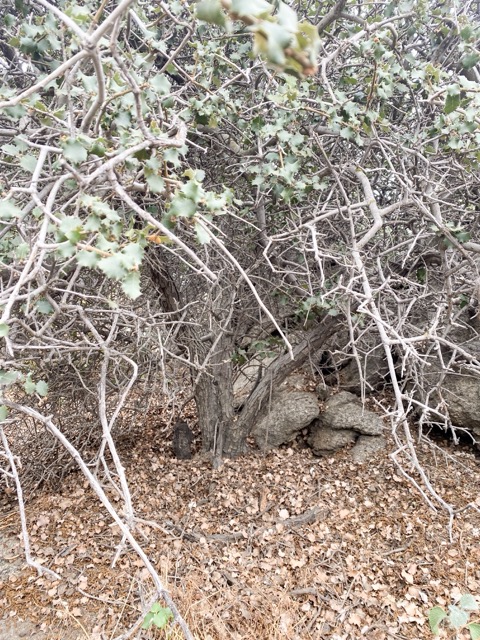


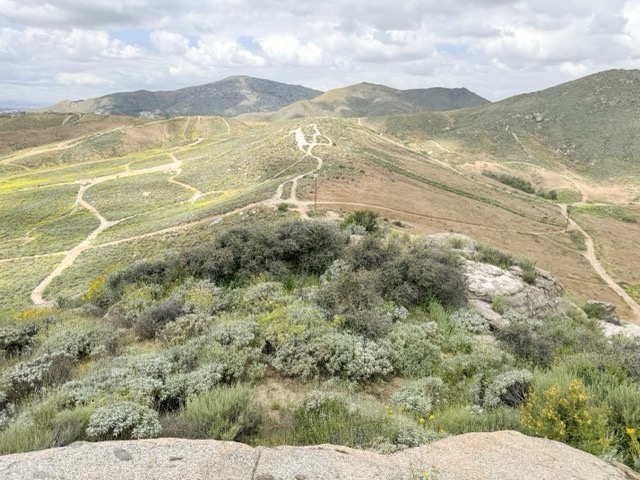
Historic Ancient Oak
JURUPA VALLEY (CNS) – Environmental groups who sued to halt commercial development in Jurupa Valley to protect what’s dubbed the state’s oldest oak tree announced a pretrial agreement Tuesday between conservationists and developers that will create a defensive buffer zone around the tree.
“Preserving the unique Palmer’s oak and the hillside that has allowed it to survive all these millennia was our primary goal,” Friends of Riverside’s Hills spokesman Len Nunney said Tuesday. “By adding additional conserved natural open space previously slated for development and a wildlife corridor linking the area to more than 350 additional acres of conserved land goes a long way to preserving habitat extensive enough to support a viable ecosystem.”
The city of Jurupa Valley, which was among the defendants named in the suit, didn’t immediately respond to a request for comment.
The out-of-court settlement specifies that 54.7 acres around the estimated 13,000-year-old oak, situated in an open expanse just west of Malaga Drive and north of 20th Street, will be preserved as undeveloped space, with no industrial or residential projects permitted a minimum of 1,000 feet from the tree in any direction, according to the plaintiffs.
The open acreage will be purchased by conservation groups, or interested Native American tribes.
There are further stipulations that outdoor lighting be held down in the immediate vicinity of the tree and that appropriate fencing be maintained for the preservation of the wildlife corridor and native plant life, the plaintiffs said.
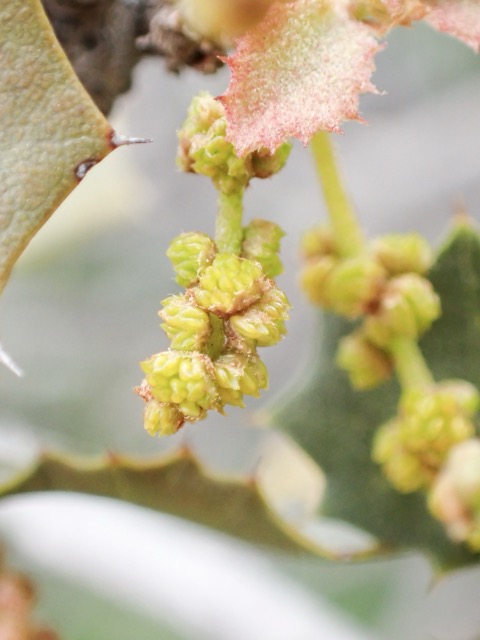
“The Jurupa Oak is one of the world’s oldest organisms, whose sheer existence is a miracle,” California Native Plant Society Director Nick Jensen said. “It’s a living connection to the Ice Age, when woolly mammoths still roamed North America, and an acorn germinated to become this very plant. We are thrilled that the settlement significantly increases the buffer around the Jurupa Oak. It’s a critical safety measure to help ensure that it survives as a symbol of California’s remarkable biodiversity and resilience.”
The Palmer’s oak is from the genus Quercus palmeri and is not a vertical tree, but more closely resembles a series of interconnected shrubs, in this case stretching 80 feet long. There are only believed to be a total of three internationally documented Palmer oaks that have existed for millennia, according to the plaintiffs.
An industrial park previously approved by the Jurupa Valley City Council would have permitted structures within 450 feet of the oak. The plaintiffs argued the project threatened the habitat.
“The site, which is in part designated by the state as a high fire- hazard severity zone, is also home to the Delhi Sands flower-loving fly, Crotch’s bumblebee and sensitive birds, like the California gnatcatcher, Northern harrier, Costa’s hummingbird and Bell’s sage sparrow,” according to the Center for Biological Diversity, which spearheaded the civil suit, filed in 2024.
The organization’s lead attorney, Aruna Prabhala, said the settlement will ensure the oak and “hillside animals in the region” are adequately protected.
“This ancient oak is an example of the rich natural heritage protected by California’s environmental laws, and how those laws help us protect our natural heritage for future generations,” the attorney said.
For More Environmental News Visit www.zapinin.com