

Kaiser Strike
BY KRISTEN HWANG, CalMatters
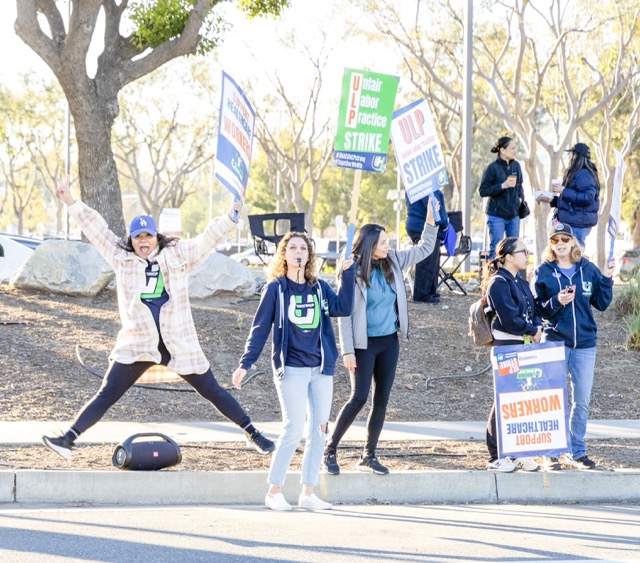
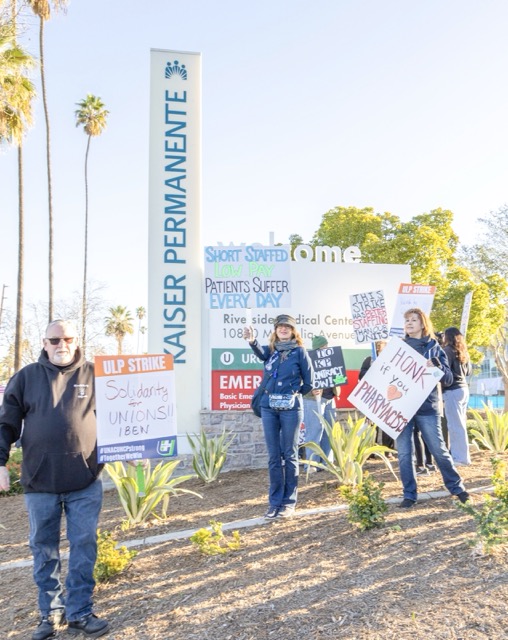
More than 31,000 Kaiser Permanente health care workers remain on strike this week as the open-ended walkout entered its fourth week, disrupting patient appointments, surgeries and treatments across California and Hawaii.
Bargaining teams for Kaiser and workers resumed negotiations after weeks of stalemate, but no agreement appears imminent. This is the latest of a number of major strikes to have roiled Kaiser in recent years, including a 10-week strike by mental health workers in 2022 and a 2023 dispute mediated by the then-U.S. Secretary of Labor.
The strike, which started Jan. 26, is an effort by one of the organization’s largest unions to improve wages and staffing conditions. Members of the United Nurses Associations of California/Union of Health Care Professionals have never before walked off the job. The union, which is an umbrella organization for multiple local chapters, represents nurses, physical therapists, midwives and other health professionals.
Workers accuse Kaiser of violating staffing agreements and worsening patient care — both of which the health care giant denies. They are demanding a 25% raise over four years, arguing the wage increase is needed to retain and recruit employees and account for the steep inflationary pressures of the past few years.
Kaiser contends its employees are on average the highest paid among other health care organizations. It has proposed a 21.5% increase over four years. In a statement, a Kaiser spokesperson said negotiations are happening while health care costs rise and millions of Americans are at risk of losing insurance.
“This underscores our responsibility to deliver fair, competitive pay for employees while protecting access and affordability for our members. We’re doing both,” the unsigned statement says.
According to the statement, Kaiser leadership believes it can afford the 21.5% wage increase without increasing member premiums, but it cannot make the same guarantee under the union’s proposal.
Union leaders have argued that Kaiser can afford across-the-board wage increases given its $66 billion in reserves. Kaiser posted a one-year loss of $4.5 billion in 2022. Since then, the health system has rebounded, posting net income of $12.9 billion in 2024 and $9.3 billion last year.
The company argues that it intends its reserves for long-term commitments and emergencies. In a statement the company said using reserves for payroll would be “financially irresponsible.” Kaiser’s wage proposal would cost about $2 billion, and the union’s would cost an additional $1 billion, according to the statement.
Inflation squeezes health workers
Joe Guzynski, executive director for the union, said its members last signed a contract with Kaiser in 2021 before inflation peaked around 8% in 2022. At the same time, some of the organization’s local units declined to bargain during the COVID-19 pandemic, believing it would be too disruptive, and refrained from seeking additional raises. The group’s latest contract expired in September last year.
Other major unions at Kaiser that signed contracts after 2022 received inflation-adjusted wage increases.
“What we’re asking for is the same deal. Everybody else got to deal with inflation,” Guzynski said. “It’s really about restoring fairness.”
Patients report disruptions across the state
Patients on social media and in local news reports have described cancelled chemotherapy treatments, surgeries and other procedures. They’ve also posted images of pharmacy and laboratory lines snaking down hallways and out the door. Unionized nurses on strike, too, have reported getting recruitment texts from contractors seeking to backfill the staff positions.
Kaiser is the largest health provider in California, serving more than 9 million patients. It is also the largest private employer in the state. In a statement issued before the strike, the company said it had been “preparing contingency plans” for months to maintain access to care.
Cecilia Ochoa, 50, was unable to get a prescription filled at the Downey Medical Center last week. Ochoa, who had been recently hospitalized, said she was at home when she started to feel nauseous and weak several days ago. She went to the emergency room and received medication for nausea. Later, her lab results came back positive for a urinary tract infection.
Ochoa said she was vomiting and shaking when she tried to get antibiotics at the 24-hour pharmacy in Downey. The line was nearly 100 people long, she said, and almost reached the street. Ochoa tried another Kaiser pharmacy around the corner and waited an hour before a staff member came outside to tell everyone that the pharmacy would not fill any more prescriptions for the day. One man complained that he had been waiting in line for three hours just to check in.
“It was bad. It was so bad they were handing out snacks, water. People were there for so long,” Ochoa said.
She was born at Kaiser and has been a member her whole life, Ochoa said. Over the years it has gotten harder to see specialists and wait times for appointments are so long she has to schedule them months in advance. She’s supportive of the nurses and other workers striking, some of whom she has known for decades.
“I think somewhere they lost the whole thing. It’s not about the patient, it’s about the money,” Ochoa said. “I hope all of this ends as soon as possible for everybody.”
For More Health News Visit www.zapinin.com