


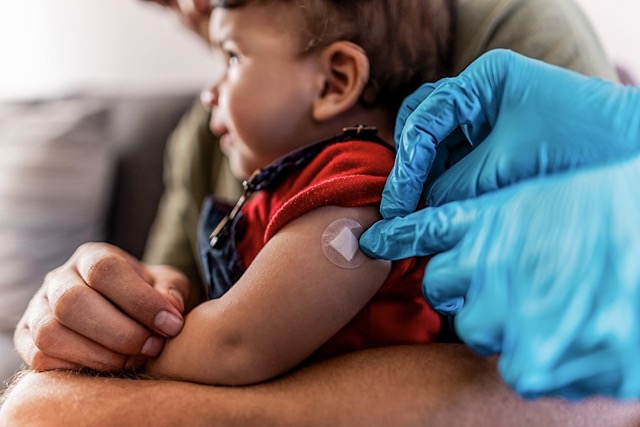
Flu Vaccination
By Dr. Bradley Jacoby, chief of pediatrics, Kaiser Permanente Riverside County
With children in classrooms and day care, and families preparing for a busy fall and winter season, pediatricians are encouraging parents to make flu vaccination a priority. Influenza (the flu) can spread quickly in schools, child care settings and households, and young children remain at increased risk for serious illness and hospitalization.
Children are particularly vulnerable to serious complications from the flu, making vaccination a critical step families can take to protect their health. The flu vaccine is recommended for everyone age 6 months and older, and it has been shown to reduce the risk of severe flu illness in children.
Reasons for cautious optimism
The Food and Drug Administration has updated all three virus components of the upcoming 2026-27 flu vaccine to better reflect the strains expected to circulate, including changes prompted by viruses that spread widely last season. In addition, evidence cited by the American Academy of Pediatrics (AAP) indicates that flu vaccination among children does the following:
- It reduces the risk of flu-related death in children and teens by about 80%.
- It prevents thousands of hospitalizations among children each season.
Children are especially vulnerable due to several factors:
The last flu season was severe for children
- The AAP described the 2025-26 season as another high-severity season for children.
- Approximately 190 pediatric deaths were reported, and pediatric hospitalization rates were among the highest seen in many years.
Vaccination rates remain relatively low
- Only about 49% of children aged 6 months to 17 years were vaccinated during the 2025-26 season, according to AAP.
- Historically, roughly 85% of children who die from flu are unvaccinated, making vaccination coverage an important determinant of risk.
Young children face a higher risk of serious complications
- The Centers for Disease Control and Prevention (CDC) identifies children younger than 5, especially those younger than 2, as being at an elevated risk for serious complications.
- Children with asthma, diabetes, heart disease, immune suppression and other chronic conditions are also more vulnerable.
What complications concern pediatric experts?
While many children experience a routine flu illness, complications can lead to:
- Pneumonia
- Dehydration
- Worsening asthma or other chronic diseases
- Encephalopathy (brain dysfunction)
- Death in some cases, according to the CDC
The Bottom Line
The best way to protect children and all family members from serious flu illness is to get vaccinated early. The CDC recommends getting the flu vaccination by the end of October at the latest. The vaccination is recommended for everyone age 6 months and older. Families can visit their doctor or a local pharmacy to get a flu shot. Kaiser Permanente members can visit a local medical office building or make an appointment at KP.org/flu. There is also FluMist, a nasal-spray flu vaccine, which is available for eligible patients; healthy people ages 2 through 49 can receive the nasal-spray vaccine, although certain medical conditions can make someone ineligible.
Talk to your doctor or pediatrician about which flu vaccine is right for you and your family and make plans to get vaccinated soon. When we protect ourselves, we also help protect the loved ones around us who are most vulnerable to serious illness.
For More Health News Visit www.zapinin.com